
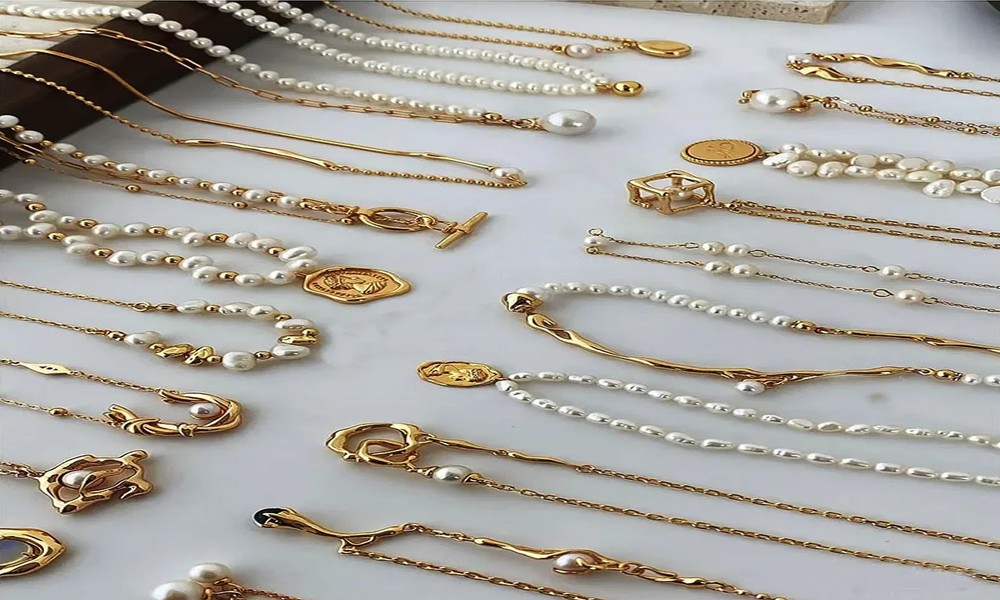
There is a persistent gap in the jewelry market that smart retailers are beginning to exploit. On one end sits fast fashion jewelry-cheap, trend-driven, and disposable. On the other end sits traditional fine jewelry-precious metals, certified gemstones, and prices that put it out of reach for the average consumer. Between these two extremes lies a rapidly growing opportunity: fine jewelry aesthetics at accessible price points.
Understanding what fine jewelry actually is, why consumers are drawn to it, and how modern wholesale sourcing allows boutiques to tap into this demand without the prohibitive costs of traditional precious metals is a genuine competitive advantage. This guide will walk you through the essentials.
What Is Fine Jewelry?
Fine jewelry is traditionally defined as jewelry made from precious metals-gold (10K, 14K, 18K, or 24K), platinum, or sterling silver-and set with genuine gemstones such as diamonds, sapphires, rubies, or emeralds. The defining characteristics are material value, craftsmanship, and longevity.
However, the definition of fine jewelry has evolved significantly in recent years. A growing category often called “fine jewelry alternatives” or “demi-fine jewelry” has emerged, occupying the space between fashion jewelry and traditional fine jewelry. These pieces use high-quality base materials-such as 925 sterling silver with rhodium plating, or stainless steel with 18K gold PVD coating-combined with high-grade synthetic stones like AAA cubic zirconia or moissanite to create pieces that are visually indistinguishable from genuine fine jewelry at a fraction of the cost.
The Fine Jewelry Spectrum
|
Category |
Materials |
Price Range |
Longevity |
|---|---|---|---|
|
Traditional Fine Jewelry |
Solid gold, platinum, natural gemstones |
$500-$50,000+ |
Lifetime |
|
Demi-Fine Jewelry |
925 sterling silver, gold-fill, natural semi-precious stones |
$50-$500 |
Years with care |
|
Fine Jewelry Alternatives |
316L stainless steel (PVD), 925 silver + CZ/moissanite |
$15-$150 |
1-5+ years |
|
Fashion Jewelry |
Brass, copper, alloy + plating |
$5-$50 |
Months |
For boutique owners, the “fine jewelry alternatives” and “demi-fine” categories represent the most commercially viable opportunity. They offer the look and feel of fine jewelry with wholesale price points that allow for healthy retail margins.
Why Are Consumers Seeking Fine Jewelry Aesthetics?
Understanding the consumer psychology behind the demand for fine jewelry is essential for positioning your products effectively.
1. The Desire for Lasting Value
Consumers are increasingly skeptical of fast fashion. They have experienced the frustration of buying a beautiful piece of jewelry only to have it tarnish, break, or cause a skin reaction within weeks. This experience creates a strong desire for pieces that last-pieces that feel like an investment rather than a throwaway purchase. Fine jewelry, or pieces that convincingly mimic it, satisfies this desire.
2. The “Quiet Luxury” Aesthetic Trend
The “quiet luxury” trend-characterized by understated elegance, high-quality materials, and a deliberate avoidance of flashy logos-has had a profound influence on the jewelry market. Consumers who embrace this aesthetic are drawn to clean, classic designs in silver and gold tones that look expensive without being ostentatious. This is precisely the aesthetic that fine jewelry alternatives deliver.
3. Social Media and the “Jewelry Stack” Culture
Platforms like Instagram and Pinterest have normalized the practice of wearing multiple pieces of jewelry simultaneously-layered necklaces, stacked rings, curated ear stacks. This “jewelry stack” culture drives demand for a higher volume of pieces, which makes traditional fine jewelry financially inaccessible for most consumers. Fine jewelry alternatives allow consumers to build an extensive, luxurious-looking collection at a price point they can sustain.
How to Source Fine Jewelry Alternatives for Your Boutique
Sourcing pieces that deliver fine jewelry aesthetics requires a more discerning eye than sourcing standard fashion jewelry. Here is a step-by-step approach.
Step 1: Prioritize Material Quality
The foundation of a convincing fine jewelry alternative is the base material. Two options dominate this category:
Option A: 925 Sterling Silver
Sterling silver is the closest non-precious metal to genuine fine jewelry in terms of appearance and feel. Rhodium-plated 925 silver has a bright, white luster that is virtually identical to white gold or platinum. It is heavier and more substantial than fashion alloy pieces, which contributes to the perceived quality. For rings, necklaces, and earrings where the metal is prominently visible, sterling silver is the preferred choice.
Option B: 316L Stainless Steel with PVD Coating
For pieces where durability and waterproof properties are paramount-such as everyday rings, bracelets, and anklets-316L stainless steel with a 18K gold or rose gold PVD coating is an excellent choice. PVD (Physical Vapor Deposition) creates a coating that is far more durable than traditional electroplating, bonding to the metal at a molecular level. The result is a gold-tone piece that maintains its color through daily wear, including exposure to water and sweat.
Step 2: Evaluate Stone Quality
The stones used in fine jewelry alternatives are what most dramatically affect the perceived value of the piece. The key options are:
1. AAA Cubic Zirconia (CZ)
The most widely used stone in fine jewelry alternatives. AAA-grade CZ has exceptional clarity and a refractive index close to that of a diamond, giving it a brilliant sparkle. When set in a well-crafted sterling silver or stainless steel setting, a high-quality CZ stone is genuinely difficult to distinguish from a diamond to the naked eye.
2. Moissanite
Moissanite is a lab-created stone that is optically superior to CZ and nearly as brilliant as a diamond. It is more expensive than CZ but significantly less costly than natural diamonds. Moissanite pieces occupy the upper end of the fine jewelry alternatives market and can command premium retail prices.
3. Natural Semi-Precious Stones
Stones like turquoise, labradorite, amethyst, and moonstone are genuine natural gemstones that are relatively affordable. When set in 925 sterling silver, they create pieces with genuine material value and a unique, organic beauty that synthetic stones cannot replicate.
Step 3: Assess the Craftsmanship
Fine jewelry aesthetics are not just about materials; they are about craftsmanship. When evaluating wholesale listings, look for these indicators of quality execution:
1. Setting Precision: All prongs should be evenly spaced and tightly secured around the stone. A loose stone is a significant quality failure.
2. Surface Finish: The metal should be evenly polished or textured with no visible tool marks, rough edges, or uneven plating.
3. Clasp and Hardware Quality: The clasp is the most mechanically stressed part of any necklace or bracelet. It should open and close smoothly and feel secure.
4. Weight and Substance: Fine jewelry alternatives should feel substantial in the hand. A piece that feels flimsy or hollow will not convey the quality aesthetic you are aiming for.
How to Position and Market Fine Jewelry Alternatives
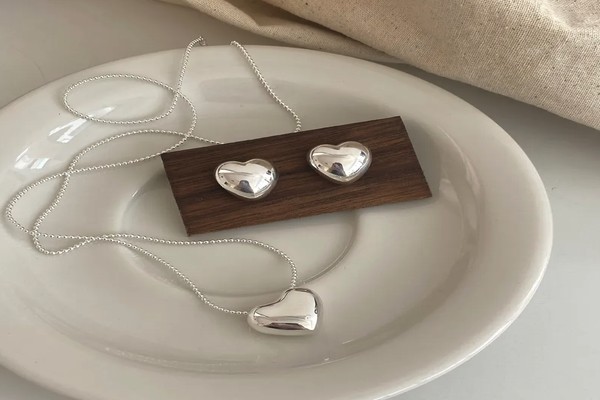
Sourcing the right products is only half the equation. How you present and describe them to your customers determines whether they are perceived as luxury alternatives or cheap imitations.
1. Use Precise, Honest Language
Avoid vague terms like “looks like real gold” or “diamond-inspired.” Instead, be specific and accurate. Describe a piece as “18K gold PVD-coated 316L stainless steel with AAA cubic zirconia.” This language is transparent, specific, and conveys quality without making false claims. Customers who understand jewelry will respect the precision; customers who do not will be educated by it.
2. Invest in High-Quality Photography
The gap between a fine jewelry alternative and a cheap fashion piece often comes down entirely to how it is photographed. Use macro lenses to capture the sparkle of CZ stones and the luster of polished silver. Use clean, neutral backgrounds-white marble, black velvet, or natural stone-that evoke luxury. Show the pieces being worn to provide context for scale and styling.
3. Create a “Fine Jewelry Edit” Collection
On your website, create a dedicated collection page called something like “The Fine Jewelry Edit” or “Everyday Luxury.” Curate your highest-quality sterling silver and PVD-coated stainless steel pieces in this collection. The framing of a dedicated “fine” section elevates the perceived value of the pieces and attracts customers who are specifically searching for quality alternatives to traditional fine jewelry.
Troubleshooting Common Issues with Fine Jewelry Alternatives
Even with careful sourcing, issues can arise. Being prepared to handle them professionally protects your brand’s reputation.
|
Issue |
Likely Cause |
Resolution |
|---|---|---|
|
CZ stone appears cloudy |
Low-grade stone or surface contamination |
Source AAA-grade CZ only; include cleaning instructions with purchase |
|
PVD coating shows wear at contact points |
Normal wear on high-friction areas (ring shank) |
Educate customers on normal wear; position as “develops character over time” |
|
Sterling silver tarnishes faster than expected |
Exposure to perfume, sweat, or harsh chemicals |
Include anti-tarnish care card; offer rhodium-plated options |
|
Prong snags on clothing |
Prong tips not properly rounded during finishing |
Return batch to supplier; specify “rounded prong tips” in future orders |
|
Customer questions authenticity |
Lack of product information |
Ensure all listings clearly state materials and include hallmark information |
Conclusion: The Fine Jewelry Opportunity Is Now
The demand for fine jewelry aesthetics at accessible price points has never been stronger. Consumers are more educated, more discerning, and more willing to invest in pieces that feel genuinely luxurious-as long as the price reflects their budget. This creates a significant opportunity for boutique owners who are willing to source thoughtfully and market honestly.
By leveraging the 925 sterling silver and high-quality PVD stainless steel offerings available through platforms like Nihaojewelry, you can build a fine jewelry alternative collection that genuinely delivers on its promise. The key is to prioritize material quality, stone quality, and craftsmanship in your sourcing decisions, and to communicate the value of these choices clearly and honestly to your customers. In doing so, you position your boutique not just as a retailer, but as a trusted curator of accessible luxury.
Building a Fine Jewelry Alternative Collection: Category by Category
A well-rounded fine jewelry alternative collection should cover the key categories that customers shop for when seeking elevated, lasting pieces. Here is how to approach each category with a fine jewelry mindset.
Rings: The Most Scrutinized Category
Rings receive more scrutiny than any other jewelry category because they are worn on the hands-constantly visible and frequently examined up close. For this reason, the quality of your ring sourcing must be impeccable.
1. Solitaire and Cluster Settings
A single CZ solitaire in a classic four-prong or bezel setting is the most direct fine jewelry alternative. The bezel setting-where the stone is encircled by a rim of metal-is particularly durable and gives the piece a modern, architectural look. Cluster settings, featuring multiple smaller CZ stones arranged to mimic the look of a larger diamond, are also strong sellers.
2. Band Rings with Pavé Detail
Pavé-set rings, where small CZ stones are set closely together across the surface of the band, create a dazzling, diamond-encrusted effect. In 925 sterling silver or PVD-coated stainless steel, these rings look genuinely luxurious and are among the highest-converting items in the fine jewelry alternatives category.
3. Stackable Bands
Simple, thin bands in sterling silver or gold-tone stainless steel are essential for the ring-stacking trend. Offer plain polished bands, twisted rope bands, and bands with a single small stone to provide variety for customers building their stack.
Necklaces: The Centerpiece of the Collection
Necklaces are often the focal point of an outfit, making them the highest-visibility category in your fine jewelry alternative collection.
1. Pendant Necklaces with CZ or Moissanite
A delicate chain with a single CZ or moissanite pendant-whether a simple round stone, a pear shape, or a marquise cut-is the most direct alternative to a fine jewelry pendant necklace. The quality of the chain is as important as the pendant itself; a fine, well-finished cable or snake chain in 925 silver elevates the entire piece.
2. Tennis Necklaces
The tennis necklace-a continuous line of identically sized CZ stones set in a flexible chain-is one of the most iconic fine jewelry designs. In 925 sterling silver with AAA CZ stones, a tennis necklace is a show-stopping piece that commands a premium retail price. It is also one of the most photographed jewelry styles on social media, making it an excellent marketing asset.
3. Layering Chains in Mixed Lengths
Offering a curated set of 925 sterling silver chains in multiple lengths-14″, 16″, and 18″-allows customers to create the layered necklace look that dominates social media feeds. Selling these as a pre-curated set simplifies the purchase decision and increases the average order value.
Earrings: The Most Versatile Category
Earrings offer the widest range of styles within the fine jewelry alternative category, from understated studs to dramatic chandeliers.
1. CZ Stud Earrings in Classic Cuts
Round, princess-cut, and oval CZ studs in 925 sterling silver are the most universally appealing earring style. They are appropriate for every occasion and every age group. Offering these in a range of stone sizes-from delicate 3mm studs to more substantial 8mm stones-allows customers to choose their preferred level of sparkle.
2. Drop and Dangle Earrings
Longer drop earrings featuring CZ stones, freshwater pearls, or natural semi-precious stones in sterling silver settings are perfect for special occasions. These pieces have a higher perceived value and can command a retail price that reflects the craftsmanship involved in their construction.
3. Huggie Hoops with Stone Accents
Huggie hoops-small, close-fitting hoops that “hug” the earlobe-are one of the most popular earring styles of the decade. In 925 sterling silver with pavé CZ accents, they offer the look of a diamond-set hoop at a fraction of the price. They are also highly practical, with a secure hinged closure that prevents loss.
How to Educate Your Customers About Fine Jewelry Alternatives
One of the most powerful things you can do as a retailer is to educate your customers. An informed customer is more confident in their purchase, less likely to return items, and more likely to become a loyal repeat buyer.
1. Create Educational Content
Consider writing blog posts, social media captions, or short video content that explains the difference between traditional fine jewelry, demi-fine jewelry, and fine jewelry alternatives. Explain what 925 sterling silver is, what PVD coating means, and why AAA cubic zirconia is a legitimate and beautiful stone choice. This content positions you as an authority and builds trust with your audience.
2. Use Comparison Language Thoughtfully
When describing fine jewelry alternatives, use comparison language that is honest and empowering rather than apologetic. Instead of saying “this is not real gold, but it looks like it,” say “this piece features an 18K gold PVD coating-a professional-grade finish used in luxury watchmaking-that delivers the look of solid gold with exceptional durability.” This framing is accurate, confident, and compelling.
3. Offer a Quality Guarantee
A quality guarantee-such as a 30-day return policy or a replacement promise for any manufacturing defects-signals confidence in your products and reduces the perceived risk of purchase. For fine jewelry alternatives, where customers may be spending more than they would on typical fashion jewelry, this assurance can be the deciding factor in a purchase.
Pricing Fine Jewelry Alternatives for Maximum Profitability
Fine jewelry alternatives occupy a higher price tier than standard fashion jewelry, and your pricing strategy should reflect this positioning.
1. Anchor to the Fine Jewelry Market
When pricing a CZ solitaire ring in 925 sterling silver, consider what a comparable genuine diamond ring would cost. If a real diamond solitaire retails for $800, your sterling silver CZ alternative at $35 represents extraordinary value. Communicating this comparison-tactfully and honestly-helps customers understand and accept your pricing.
2. Use Tiered Pricing Within the Category
Not all fine jewelry alternatives are equal. A simple sterling silver band should be priced differently from a pavé CZ tennis bracelet. Create a clear pricing hierarchy within your collection that reflects the complexity and material quality of each piece. This tiered structure makes it easy for customers to trade up to more elaborate pieces as their confidence in your quality grows.
3. Bundle for Higher Average Order Value
Curated sets-a matching ring, necklace, and earring set in the same design-are particularly effective in the fine jewelry alternative category. Customers purchasing for a special occasion or as a gift are highly receptive to sets. Offering a bundle discount (e.g., 15% off when purchasing the full set) incentivizes the larger purchase while still maintaining a healthy margin.
Conclusion: The Fine Jewelry Opportunity Is Now
The demand for fine jewelry aesthetics at accessible price points has never been stronger. Consumers are more educated, more discerning, and more willing to invest in pieces that feel genuinely luxurious-as long as the price reflects their budget. This creates a significant opportunity for boutique owners who are willing to source thoughtfully and market honestly.
By leveraging the 925 sterling silver and high-quality PVD stainless steel offerings available through platforms like Nihaojewelry, you can build a fine jewelry alternative collection that genuinely delivers on its promise. The key is to prioritize material quality, stone quality, and craftsmanship in your sourcing decisions, and to communicate the value of these choices clearly and honestly to your customers. In doing so, you position your boutique not just as a retailer, but as a trusted curator of accessible luxury.