
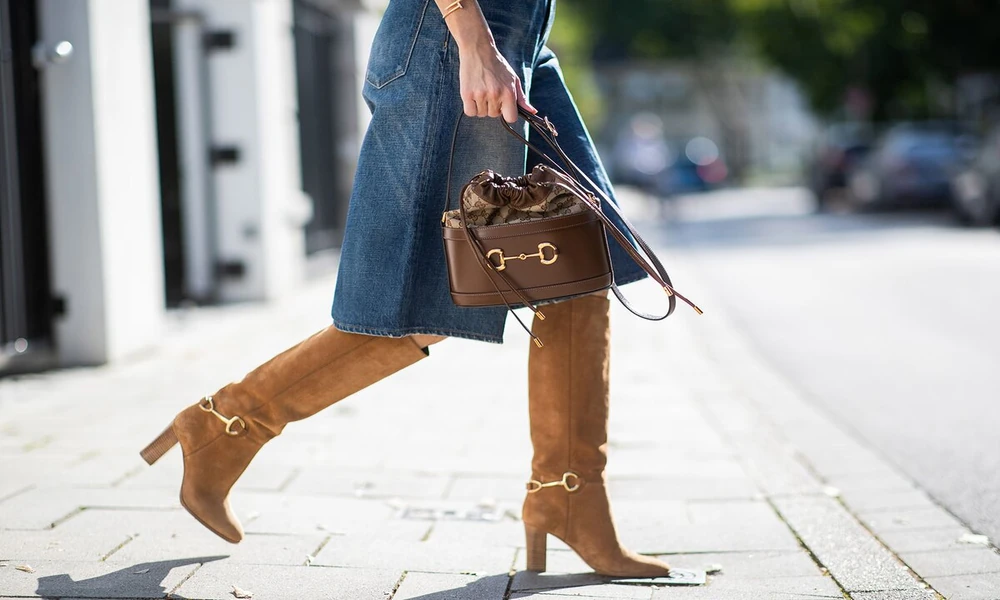
Choosing a personal accessory that is both stylish and functional will take some consideration. Many people prefer to use a bucket bag to keep items in their daily use due to the deep cylindrical shape which provides a great deal of open space. But it can be difficult for people to keep things organized if they don’t have any interior compartments in the pouch, which can make it easier for smaller items to fall to the bottom. Choosing the right accessory involves considering how you get to your possessions during the day, not just by their looks. If there is no intentional organization, users are likely to be frustrated with the search for the keys or loose change inside a deep cavity. This guide outlines a systematic approach that focuses on functional storage requirements, for selecting a bucket bag design.
Importance of Structured Interior Layouts
Trusting on luck or style trends when purchasing a daily container usually results in a cluttered and disorganized mess. A systematic evaluation ensures that your chosen accessory serves your daily habits rather than forcing you to change how you work.
· Internal zip pockets secure valuable items like smartphones and wallets safely.
· Dedicated card slots eliminate the need for a bulky separate wallet.
· Built-in key clips prevent small items from sinking to the base.
· Light interior linings make finding dark objects much faster and easier. Proper layout choices turn a simple pouch into an efficient organization system.
Evaluating Base Shape for Maximum Volume
The bottom shape of a container determines how items sit together inside the main compartment. Round bases provide a wide, uniform space but can roll when placed on flat surfaces like tables or car seats. Oval or rectangular bases sit flat against the body and keep items stacked neatly in upright positions. This structural choice prevents heavy items from shifting and creating awkward bulges against your waist.
Analysing Material Flexibility and Weight Distribution
Soft materials like unstructured canvas or thin leather conform to body shapes easily but collapse when empty. Heavy structured leather maintains its form but adds extra physical weight before you even place items inside.
· Medium-weight grained leather offers a balanced compromise for daily durability.
· Ballistic nylon provides excellent water resistance and very low empty weight.
· Reinforced bottom panels prevent the base from sagging under heavy loads.
· Wide shoulder straps distribute heavy weight evenly across your collarbone area.
· Metal feet protect the bottom material from scraping on rough floors.
Assessing Strap Versatility for Comfort
Adjustable straps allow users to switch between shoulder carry and crossbody positions depending on immediate physical needs. Short top handles offer a quick way to grab the pouch when exiting vehicles or moving between office desks. Having multiple carry options reduces localized shoulder fatigue during long periods of walking.
The Segmented Pouch Insertion Method
This approach relies on using independent, smaller organizer inserts inside the main open compartment to create artificial walls. It works by grouping similar items into distinct color-coded zipper pouches before dropping them into the larger container. In real conditions, this allows you to swap your entire inventory between different purses in seconds. One realistic difficulty is that inserts reduce the total available raw volume inside the primary container.
Systematic Selection Action Plan
· Measure the physical dimensions of your largest daily item, like a tablet.
· Count the total number of small items requiring separate secure pockets.
· Test the drawstring mechanism to ensure smooth operation with one hand.
· Verify that the strap width feels comfortable on your bare shoulder.
Avoiding Common Selection Mistakes
People often fail because they select large containers based purely on visual proportions in store mirrors. A common mistake is buying a beautiful bucket bag that lacks any internal pockets, assuming a separate pouch will fix the issue. Changing daily conditions, like carrying extra winter accessories, quickly expose the limitations of an unorganized interior space.
Frequently Asked Questions
· How do I prevent items from pooling at the bottom? Use vertical tech organizers or small zipper pouches to keep items stacked upright inside the main cavity.
· Are drawstring closures safe in crowded areas? Drawstrings offer moderate security, but vital items should remain inside internal zippered pockets for maximum protection.
· What base shape is most comfortable for walking? Oval bases are best because they lie flat against your hip and do not bounce while walking.
Practical Analysis Update
Investing time into analysing your physical storage habits prevents costly purchase mistakes. True utility comes from matching the internal layout with the specific dimensions of your essential tools. Selecting a model with structured support ensures comfort and efficiency during busy days. Final success depends on disciplined daily organization habits rather than relying on the accessory alone.